news
Share
Laughing gas considered ‘more dangerous than cocaine’ according to neurologist
Published 15:42 16 Mar 2023 GMT
 Add us as a preferred source on Google »
‘I have a patient every few years because of cocaine, but one every week due to nitrous oxide’
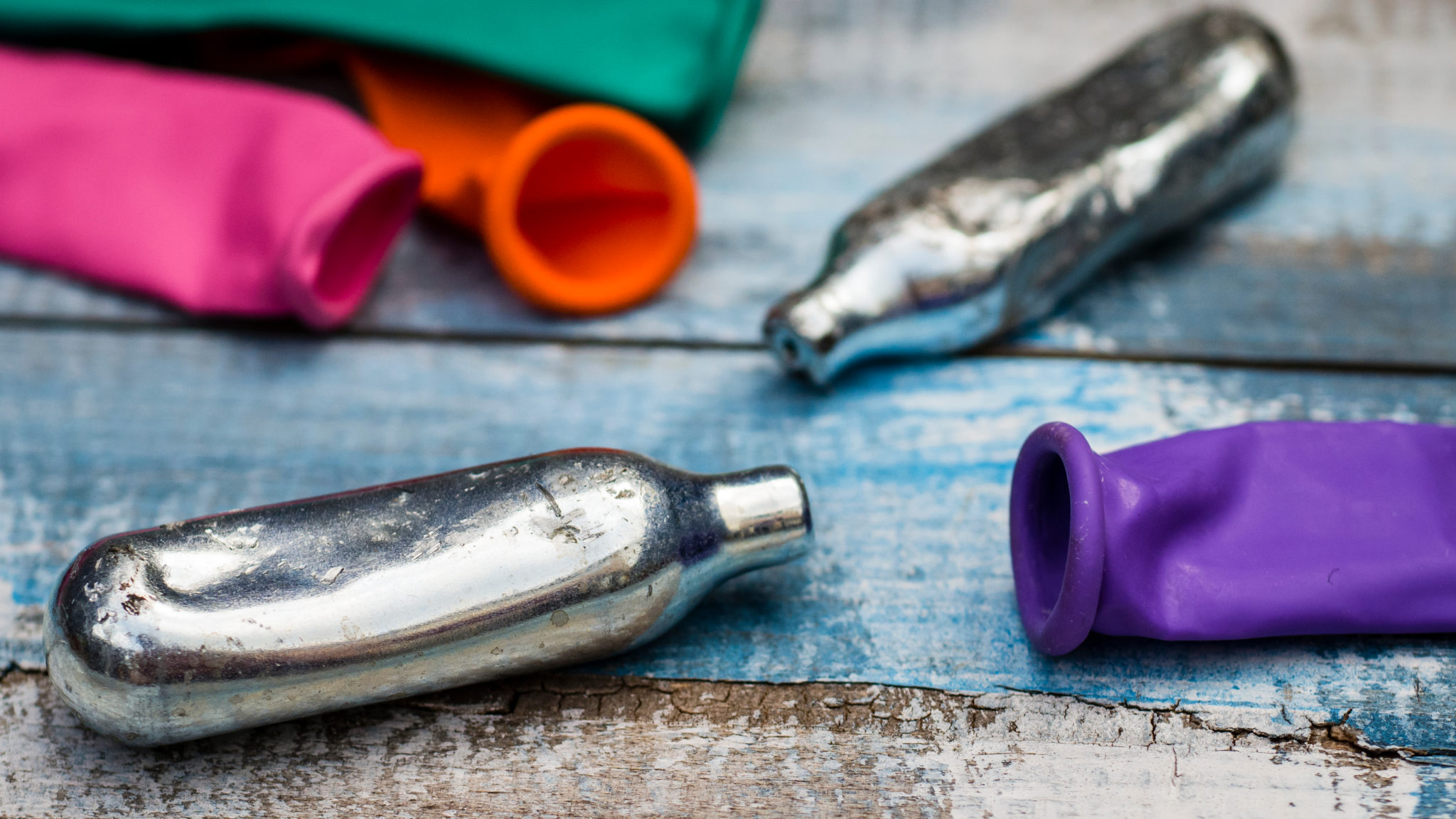
A neurologist says nitrous oxide is “more dangerous than cocaine” – and some kids are taking 150 canisters a day. The substance – commonly known laughing gas or nos – is sold in single-use silver canisters and is dispensed into balloons to be inhaled to create a temporary feeling of relaxation and euphoria. It is one of the most commonly-used drugs among 16-24 year olds in England, the government says. Dr David Nicholl, consultant neurologist and clinical lead at City Hospital in Birmingham, says he is seeing more patients struggling with side effects of ‘nos’ than cocaine abuse.
He said the volume youngsters are taking the substance has rocketed since the pandemic, and claims some people are taking “150 cylinders per day.”
Heavy regular use of laughing gas can lead to a range of side effects which include dizziness, weakness in the legs and impaired memory.
 Dr Nicholl said: “I’ve been a neurologist for 21 years and have seen a definite change in how it’s being used, since the pandemic.
“Compared to before, now the volumes of nitrous oxide being consumed can be quite terrifying – up to 150 cylinders per day.
Dr Nicholl said: “I’ve been a neurologist for 21 years and have seen a definite change in how it’s being used, since the pandemic.
“Compared to before, now the volumes of nitrous oxide being consumed can be quite terrifying – up to 150 cylinders per day.
Dr Nicholl said: “I’ve been a neurologist for 21 years and have seen a definite change in how it’s being used, since the pandemic.
“Compared to before, now the volumes of nitrous oxide being consumed can be quite terrifying – up to 150 cylinders per day.
“It’s perceived as safe – and terms like ‘laughing gas’ are especially unhelpful because it makes it sound trivial.
“But the stuff bought on the street is pure nitrous oxide and not safe for human consumption.
“It is not the same substance used in hospitals, and it is toxic.”
Dr Nicholl explained it is easily accessible through places like corner shops and on social media – where sellers specifically target the 16-24 demographic.
He said street sellers are getting more and more savvy about their sales – to the point that it resembles an “organised crime group”.
“You’ve got to, in one way, take your hat off for the guys selling,” he said.
“They’re marketing on social media, and they know exactly what they’re doing.”
He added: “They even have QR codes printed on the side to go buy more – that’s how easy it is to access.
“No wonder it’s so common.”
Similarly, when sold in these local convenience stores, it is “as easy to buy as a loaf of bread”.
Dr Nicholl said: “I go to the chemist and I can’t buy 200 paracetamol tablets.
“So, why are we having corner shops selling 600g cylinders?”
An issue in terms of regulating the sale of the substance is that that it can be sold legally – if it is going to be used for whipping cream, such as in cafes and restaurants.
But when it becomes available for the wrong purposes, it can have serious health consequences – and Dr Nicholl sees this all too often.
“There is existing legislation to attack the supply chain but people can say ‘I’m getting it for whipping cream’,” he said.
“Although – I’ve yet to find an actual chef who uses it for that purpose.”
He considers nitrous oxide “a bigger health risk than cocaine” at the moment due to how prevalent it is.
Dr Nicholl said: “I have a patient every few years because of cocaine, but one every week due to nitrous oxide.”
A recent study by the research agency OnePoll found 50 per cent of people are unaware that nos can cause serious health problems such as nerve damage or – in extreme cases – paralysis.
Despite this, roughly 40 per cent of users said they had suffered the side-effects such as anemia, cognitive impairment and chronic headaches.
However, Dr Nicholl supports the recent decision from the UK’s drug advisory panel not to ban the drug following talks, and says that instead the focus should be on targeting the supply at the source along with better education.
“A ban is the wrong approach,” he said. “In what way are we solving the problem by criminalising a 16-year-old with a couple of whip-its and a balloon on the street?
“All we would do is drive it underground.
“Restricted distribution is what’s recommended – what we need to do is target the supply chain, but you do still need a caveat for some kind of legitimate use.
“And we should be focusing on education so people are more aware of how dangerous it is when sold and used recreationally.”
Dr Nicholl reckons the solution is for police to use existing legislation to target those responsible.
Last week saw a Bristol man, Ansil Mahmood, 46, given a 12-month suspended jail term for selling nitrous oxide.
But with cases like that in the minority, Dr Nicholl feels change is urgently needed.
He added: “It mystifies me that there haven’t been more arrests when you see sellers everywhere.
“It comes back to the loophole that it’s for baking.
“But when you’re handed a balloon on your way out the door, it’s not for baking, is it?”
Ever since the Psychoactive Substances Act came into effect on 26 May 2016 it has been illegal to supply or import nitrous oxide for human consumption.
The substance is often found littering the streets, particularly in student populous areas.
This article originally appeared on JOE UK
Header image via Shutterstock
READ ON:
- Which of these Irish Mammy Myths fooled you growing up?
- RTÉ confirms Ryan Tubridy is leaving The Late Late Show
- Banshees of Inisherin: The Game exists and here's how you can play
Explore more on these topics:


